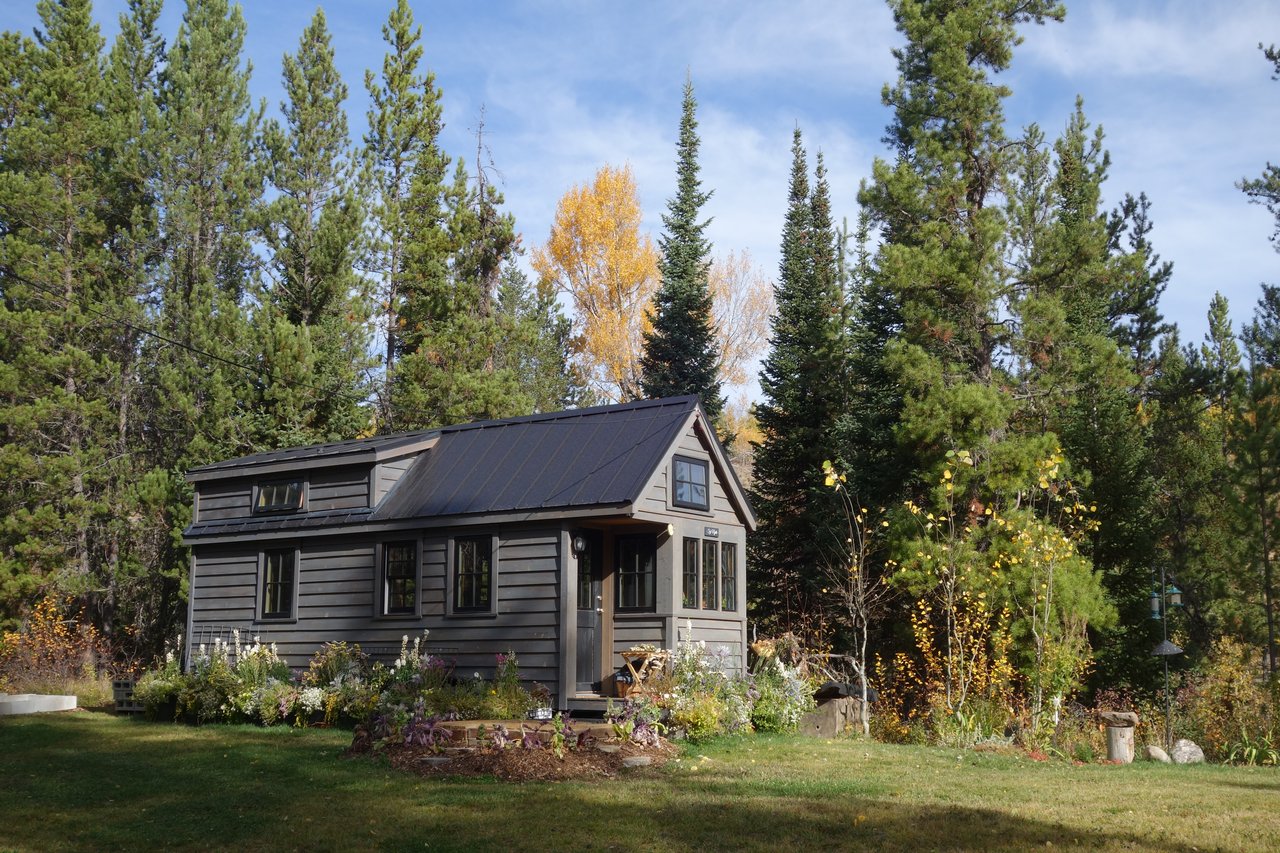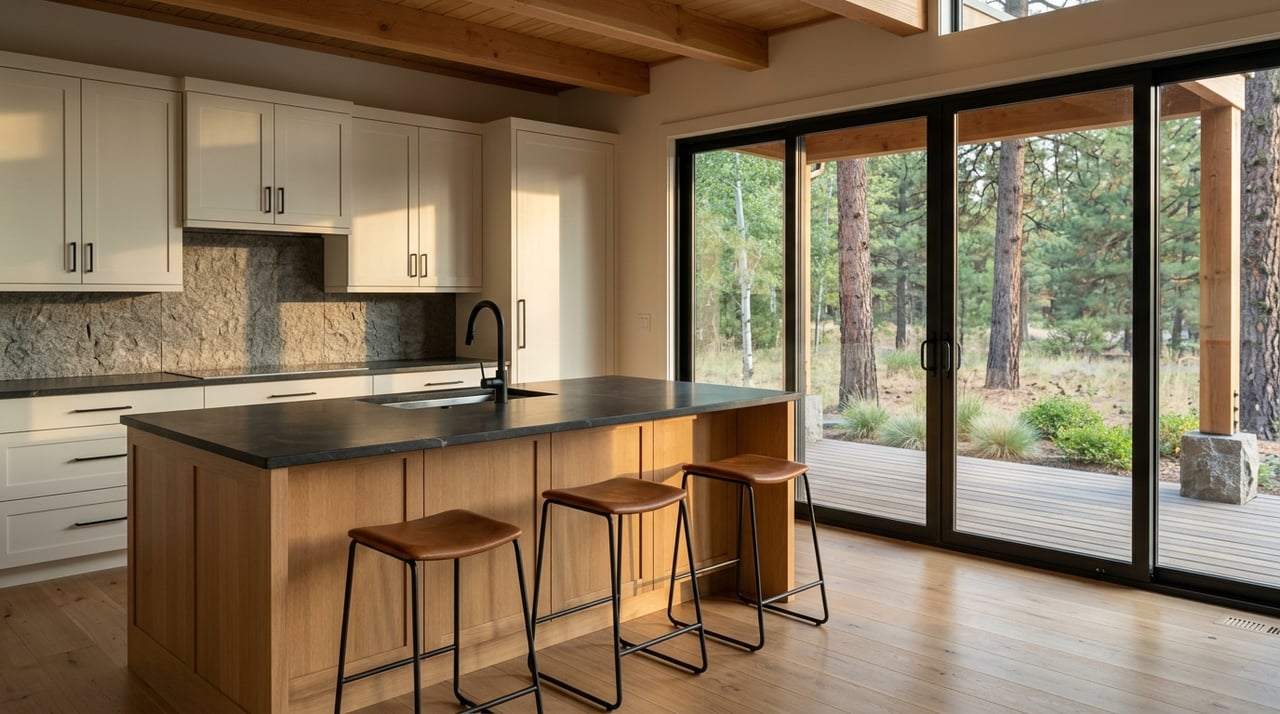
If you are dreaming about a mountain estate in Shenandoah, design matters as much as square footage. In La Plata County, the right plan needs to do more than look beautiful. It should capture the views, support your lifestyle, and respond to local weather, access needs, and wildfire realities from the start. Let’s dive in.
Start With the Site
A Shenandoah mountain estate should feel connected to the land, not dropped onto it. In the 81303 area, that often means orienting the home to mountain or lake-facing views while keeping the arrival sequence simple and practical. The best first move is usually to decide where you want your primary living spaces to face before locking in the driveway, garage, or front entry.
This matters because the most livable design is not always the one with the biggest footprint. It is the one that gives your kitchen, great room, and primary suite the strongest relationship to the landscape. If your property has sightlines toward Lake Nighthorse or surrounding ridgelines, those view corridors should shape the plan.
Keep Arrival Simple
On a view lot, your front approach does not need to compete with the scenery. A clean arrival sequence with a clear front door, sheltered drop-off area, and visible house numbers tends to work well. It also supports easier wayfinding for guests and emergency responders.
La Plata County driveway standards should be part of early planning, not a late adjustment. In unincorporated areas, driveways generally require a permit, and standards include visible addressing, minimum sight distance, overhead clearance, a maximum 12% grade, and turnouts on longer driveways. That is a strong reason to coordinate site design, garage placement, and snow management before finalizing the architecture.
Put Outdoor Living on the View Side
In this part of La Plata County, outdoor spaces work best when they feel protected. Durango’s climate normals show warm summer days, cold winters, modest annual precipitation, and meaningful snowfall. That combination supports covered patios, deeper overhangs, and wind-sheltered outdoor rooms that can stay useful through more of the year.
Fully exposed decks may look dramatic on paper, but they are often less comfortable in daily life. A covered terrace off the great room or kitchen can give you a better mix of entertaining space, weather protection, and easier maintenance. It also creates a more natural transition between indoor and outdoor living.
Design for Four-Season Living
A mountain estate in Shenandoah should feel comfortable in July and practical in December. NOAA climate normals for nearby Durango show an annual average temperature of 47.4°F, about 19.62 inches of annual precipitation, and 63.7 inches of annual snowfall. July averages 85.0°F for highs, while December averages 39.9°F for highs and 13.4°F for lows.
Those numbers point toward specific design choices. Strong rooflines, protected entries, durable exterior materials, and smart storage all become more important in a climate with snow, sun, and late-summer storm patterns. Good design here is about ease of use, not just aesthetics.
Choose a Protected Entry
A mountain home feels better when the entry works in all seasons. A covered front porch, recessed front door, or porte cochere-style drop-off area can help with snow, ice, and day-to-day convenience. This becomes even more valuable if you host often or spend a lot of time coming and going with gear.
The entry should also connect naturally to a mudroom or drop zone. In an area where lake days, trail outings, and winter conditions are part of life, a practical transition space helps keep the home organized and the main living areas cleaner.
Build in Gear Storage
Lake Nighthorse is a notable local amenity, with swimming and paddle-sport access managed through the City of Durango recreation area. That local pattern supports a home design that includes space for outdoor gear, whether that means paddleboards, hiking supplies, or seasonal equipment. Storage is not an afterthought in a mountain property. It is part of what makes the home function well.
Look for ways to include a large mudroom, built-in cabinetry, a gear garage, or a flexible storage room near the main entry or garage. These features support both daily life and resale because they match how many buyers actually use mountain homes.
Plan a Floor Plan That Ages Well
Luxury design should feel personal, but it should also stay flexible. The safest long-term floor plans are usually the ones that support changing needs without requiring major renovation. In recent consumer preference data, kitchen upgrades, primary suite improvements, and roofing ranked strongly for homeowner satisfaction and demand, while many buyers also placed high value on extra space for a home office.
That makes flexibility one of the smartest design ideas for a Shenandoah estate. Instead of overcommitting to highly specialized rooms, it often makes more sense to create spaces that can adapt over time.
Prioritize a Main-Level Primary Suite
A main-level primary suite is one of the most practical luxury features you can build. It gives you comfort, privacy, and easier day-to-day living without relying on stairs. It also tends to support long-term usability if your needs change later.
The suite should feel like a retreat, not just a bedroom. Consider a quiet orientation, strong natural light, direct outdoor access if the site allows it, and a bathroom layout that feels spacious and easy to maintain.
Add Guest Space With Purpose
Guest rooms are important in a mountain market, but they work best when they do more than sit empty. A guest suite can double as multigenerational space, extended-stay lodging for visitors, or private quarters that offer more flexibility than standard bedrooms. This is especially useful if you expect friends or family to stay for longer visits.
A secondary living area nearby can make that guest zone even more functional. It gives visitors breathing room while also serving as a media room, reading lounge, or overflow space when the home is full.
Include a Real Office or Studio
Buyer preference data shows strong demand for home office space, especially in the West. That makes a dedicated office, studio, or detached workspace one of the smartest additions in a mountain estate. It supports remote work, creative projects, or simply a quiet place to focus.
If your lot and plans allow it, a detached studio can be especially appealing. It can function as an office, art space, or flexible retreat while keeping the main house calm and uncluttered.
Make Wildfire-Aware Design a Core Priority
In La Plata County, wildfire-aware design is not optional. The county’s preparedness guidance explains that local climate, lower precipitation, winds, and arid conditions create an environment of living with fire. For a custom estate in the 81303 area, that means resilience should be built into the design from the beginning.
The Colorado State Forest Service also notes that the ideal time to address wildfire ignitability is during design. That is a major reason to think about materials, venting, glazing, landscaping, and the immediate area around the house as one connected system.
Focus on the Home Itself
Several wildfire-hardening details are worth deciding early. The Colorado State Forest Service prioritizes a Class A roof, 1/8-inch mesh screening for attic, roof, eave, and foundation vents, tempered glass windows, and at least 6 inches of vertical clearance between the ground and siding. It also recommends replacing combustible fencing or gates within 5 feet of the home.
These choices can influence both the look and performance of the house. If you wait too long, it becomes harder to blend resilient details into the architecture cleanly. Early planning helps you protect the home without compromising the design.
Think in Defensible Space Zones
Wildfire planning also extends beyond the structure. The Colorado State Forest Service breaks defensible space into zones from 0 to 5 feet, 5 to 30 feet, and 30 to 100 feet around each structure. That framework can help guide landscape design, plant placement, hardscape areas, and transitions from the house into the surrounding property.
For a mountain estate, this often means using lower-maintenance, noncombustible, or carefully managed materials close to the home. It can still look refined and natural, but it should be intentional.
Pick Materials That Stay Timeless
Mountain estates usually age best when the materials feel durable, simple, and rooted in the setting. Strong roofs, easy-to-maintain exteriors, natural wood accents, and stone elements often fit the Shenandoah and greater Durango aesthetic well. The goal is to create warmth without relying on features that require constant upkeep.
This is also where practicality and resale tend to overlap. A well-designed kitchen, durable roof, comfortable primary suite, and functional mudroom all support daily living while aligning with the types of improvements buyers often value most.
Use Exterior Materials Thoughtfully
Exterior materials should support both appearance and maintenance goals. In a climate with sun, snow, and storm exposure, simpler and more durable assemblies tend to hold up better over time. Deep eaves and well-detailed transitions can help protect siding, windows, and entries.
The most successful homes often combine a few strong materials instead of too many competing finishes. That keeps the architecture calm, upscale, and better tied to the mountain setting.
Coordinate Permits Early
A beautiful concept can lose momentum fast if site work and permitting are treated separately. La Plata County states that building permits are required for construction, enlargement, alteration, repair, and related mechanical work. The county also notes that a building permit does not replace grading, floodplain, or land-use permits.
For that reason, it helps to think of the project as one package. The house, driveway, access, drainage, and site layout should all work together before construction starts. That kind of coordination can reduce redesigns and help your project move more smoothly.
Design Ideas That Usually Pay Off
If you want a quick shortlist, a few ideas consistently make sense for a Shenandoah mountain estate:
- A main-level primary suite
- A strong, snow-aware roof design
- A covered patio or terrace on the view side
- A dedicated office or detached studio
- A large mudroom and gear storage zone
- A durable kitchen built for entertaining
- Wildfire-aware materials and defensible space planning
- Early driveway and access coordination
These features support both everyday comfort and future appeal. They also line up well with the realities of mountain living in La Plata County.
If you are thinking about buying, building, or updating a mountain property in Shenandoah or the greater Durango area, local insight can make the process much clearer. For guidance grounded in lifestyle, lot potential, and market perspective, connect with Keith Darner.
FAQs
What design features matter most for a Shenandoah mountain estate?
- The most useful features usually include a main-level primary suite, protected outdoor living, strong rooflines, gear storage, and wildfire-aware materials.
What should buyers know about driveway planning in La Plata County?
- In unincorporated areas, driveways generally require a permit, and standards address visibility, grade, clearance, sight distance, and turnouts on longer driveways.
How should a mountain home in 81303 address wildfire risk?
- A well-planned home should consider Class A roofing, tempered glass windows, screened vents, siding clearance, and defensible space zones during design.
What floor plan works best for a luxury home near Durango?
- A flexible plan with a main-level primary suite, guest space, a quiet office, and adaptable secondary living space tends to support both daily comfort and long-term resale.
Why are covered patios better than exposed decks in the Durango area?
- Local climate patterns suggest covered, wind-sheltered outdoor spaces are often more comfortable and usable across changing weather conditions than fully exposed decks.